
Why Newsletter Sponsorships Fail
And what mushroom foraging can teach us about finding what works
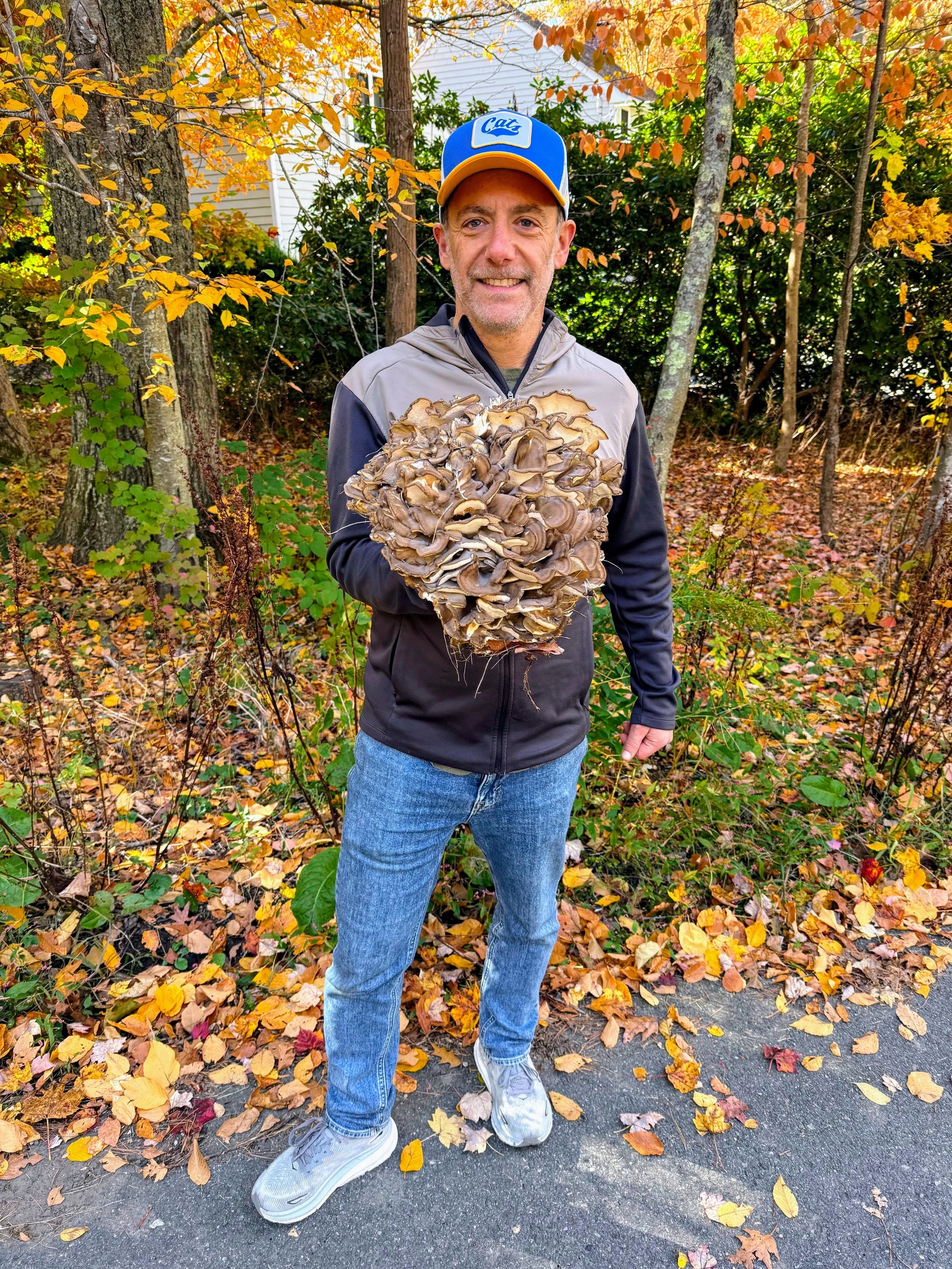
Last weekend, I spent a morning in the woods foraging for mushrooms, scanning the forest floor, ignoring non-edibles, until finally spotting the real prize: a perfect Hen of the Woods.
Somewhat surprisingly, in my excitement, my mind turned to work and newsletter sponsorships. With sponsorships, like mushrooms in the Fall, there’s abundance everywhere, but only a few are truly worth picking.
Most sponsorships fail not because the audience is wrong, but because the message doesn’t belong. It stands out like a poisonous amanita mushroom in your basket.
When a sponsor’s copy feels unnatural or overly polished, readers scroll past. But when it blends in seamlessly, adds value, and feels like something the reader wants to find, it performs.
Here’s how both publishers and marketers can make that happen.
Great Newsletter Ads Should Feel Native - Not Forced
Newsletter advertising works best when the message blends naturally into the reading experience. Readers trust writers they subscribe to, and the strongest-performing sponsorships tap into that trust rather than disrupt it.
What Makes a Newsletter Sponsorship Feel Native?
A sponsorship lands when it feels like an extension of the story the audience already wants to read. Three factors shape that feeling:
Tone match: Does the sponsor message sound like the newsletter’s natural voice?
Context match: Does it make sense placed inside this issue?
Value match: Does it genuinely help the reader solve a problem or learn something new?
Miss any one of those, and performance drops.
For Newsletter Publishers
Your readers trust you, not your sponsors. Protect that trust.
If a sponsor’s copy feels off-brand, rewrite it. Most advertisers will let you test your version against theirs and you’ll usually win. Just make sure you get their approval before hitting send.
Keep your tone consistent with your normal content. If your newsletter is witty, keep it witty. If it’s analytical, add proof points. The goal is to make sponsor messages feel like part of the experience your readers already expect.
A few ways to do it well:
Stay in your tone. Your audience recognizes your voice instantly; use it.
Highlight benefits, not features. Translate what a product does into what it does for your readers.
Integrate naturally. Don’t hide sponsors at the bottom. Place them where they add value to the story.
When sponsorships feel native and useful, they perform. When they sound like ads, they don’t.
A Quick Publisher Checklist
Before sending any sponsorship, ask:
Would I personally read this?
Does it sound like something I would naturally say?
Does it benefit my audience right now?
Does the placement feel intentional, not tacked on?
If the answer to any of those is “no,” tweak it until it becomes a “yes.”
For Marketers
The most effective newsletter sponsorships feel like they’re part of the content, not an interruption.
Instead of handing publishers rigid ad copy, collaborate with them. Let them adapt your message to their format and tone. They know what resonates with their readers better than anyone else.
To get more from your placements:
Pick the right partners. Work with newsletters whose audiences truly align with your product.
Be flexible. Encourage creative suggestions and let publishers test their own version of your copy.
Give out samples. Newsletter publishers can speak more honestly about your product once they’ve tried it
Authenticity converts. Every time.
How Marketers Can Talk to Publishers (So Sponsorships Perform Better)
Want your placements to convert? Treat publishers like creative partners, not distribution channels. When you brief them:
Share your ideal customer profile
Provide 2–3 angles they can adapt
Offer a short “core message” instead of rigid copy
Tell them what outcomes matter most (clicks, signups, trials, sales)
Publishers create better-performing ads when they’re given freedom paired with clarity.
Our Take
The best newsletter sponsorships don’t feel like sponsorships.
They feel like trusted recommendations from a voice the reader already believes.
That’s how you turn impressions into influence.
The same way a seasoned forager knows where to look.
Experience and instinct matter.
Wellput connects the two.
Find newsletter sponsors that perform →
Quick FAQs
Do native-feeling ads always perform better?
Almost always - readers trust what blends into their reading experience.
Should marketers allow publishers to rewrite copy?
Yes. Publishers know their audience far better than any outside creative team.
What’s the biggest mistake sponsors make?
Overly polished, rigid brand copy that feels like a billboard, not a recommendation.
